Accidents happen when we least expect them, and besides the shock, one of the first worries most drivers face is: “What’s next for my car?” Even a small fender bender can leave you wondering if your vehicle is still safe to drive or how much it will cost to bring it back to normal. That’s where quality auto body repair comes in—not just to fix the dents and scratches, but to make sure your car is safe, reliable, and holds its value.
The process, however, can feel overwhelming. Between dealing with insurance, choosing a shop, and understanding what kind of repairs your car truly needs, it’s easy to feel lost. This is exactly why having a clear, step-by-step checklist is so valuable.
In this guide, we’ll walk you through everything you need to know after an accident—from finding the right auto body repair shop to making sure no hidden issues are overlooked. By the end, you’ll have a practical roadmap that takes the guesswork out of getting your car repaired properly.
Choosing the Right Auto Body Shop
After an accident, one of the biggest decisions you’ll face is where to take your car. The right shop can mean the difference between a stress-free experience and weeks of frustration. Picking a trustworthy place for auto body repair isn’t just about fixing dents and scratches—it’s about making sure your vehicle is safe and restored to its pre-accident condition.
Why “Near Me” Searches Matter
Chances are, when you pull out your phone, the first thing you’ll type is “auto body shop near me.” And for good reason. Choosing a local auto body repair shop makes it easier to drop off your vehicle, check on progress, and handle follow-up visits if needed. Plus, local businesses often rely on reputation, so they’re motivated to provide reliable service and build long-term trust with customers in the area.
Certifications and Experience to Look For
Not all shops are created equal. Look for places with certifications from organizations like ASE or I-CAR. These credentials show that the technicians are trained to meet industry standards. It’s also smart to choose a shop experienced with your specific make and model. A place that regularly works on your type of car will be quicker at diagnosing and fixing issues.
Reading Reviews and Getting Referrals
Online reviews are another great tool. Pay attention to patterns—if multiple customers mention clear communication and quality results, that’s a good sign. Don’t overlook personal referrals either. Ask friends, family, or even your insurance provider for recommendations to help narrow down your search.
By taking the time to research, you’ll feel confident that your car is in capable hands from the very beginning.
First Steps Immediately After an Accident
Getting into an accident is stressful, and in those first few moments it’s easy to feel overwhelmed. But taking a few clear steps right away can make the whole process—from filing insurance claims to scheduling auto body repair—much smoother.
Safety and Documentation Come First
Before anything else, check yourself, your passengers, and others involved for injuries. If needed, call emergency services immediately. Once everyone is safe, turn on your hazard lights and, if possible, move your vehicle out of traffic to avoid further accidents.
After safety, documentation is key. Use your phone to take photos of the scene from multiple angles—damage to all vehicles, license plates, road conditions, and any nearby signs or signals. These photos will be invaluable when talking with insurance providers and auto body repair shops.
Contacting Insurance Providers
Next, call your insurance company to report the accident. Be ready to provide details like the time, location, and extent of the damage. Having your documentation handy will make this step easier and prevent disputes later.
Towing and Initial Inspection
If your car isn’t drivable, you’ll need a tow. Instead of letting it go to the nearest lot, consider directing it to a trusted repair shop right away. Searching for a reputable “auto body shop near me” ensures your vehicle is in good hands from the start, saving both time and stress in the long run.
The Ultimate Auto Body Repair Checklist
Once your vehicle is at the shop, you want to be sure the work being done covers more than just what you can see. A quality auto body repair process should follow a clear checklist, ensuring that both cosmetic and structural issues are properly addressed. Here’s what to expect:
1. Thorough Damage Assessment
The auto body repair process starts with a full inspection. This isn’t just a quick glance at visible dents—it often involves uncovering hidden problems under the hood or beneath panels. In some cases, technicians will recommend an auto engine diagnostic to check for internal damage that may not be obvious right away.
2. Frame and Structural Integrity Repairs
If the accident affected your vehicle’s frame, straightening and reinforcing it is critical. Even small misalignments can impact how your car handles and compromise safety in future collisions.
3. Transmission and Mechanical Checks
Accidents don’t only affect the exterior. A rear-end collision, for example, can damage components you might not think about, like the transmission. If the shop suspects internal issues, they may recommend a transmission repair service to ensure your car runs smoothly once it’s back on the road.
4. Paint Matching and Refinishing
Cosmetic work matters too, especially if you ever plan to sell or trade in your car. Professional shops use advanced tools to match your vehicle’s original paint color so repairs blend seamlessly with the rest of the auto body repairs.
5. Parts Replacement vs. Repair
Sometimes damaged parts can be fixed, but in many cases replacement is the safer option. Discuss with your shop whether they’ll use OEM (original equipment manufacturer) parts or aftermarket alternatives, and weigh the pros and cons of each.
6. Final Safety and Quality Inspections
Before you get your keys back, a good shop will run through final checks. This includes testing sensors, airbags, alignment, and other safety systems to make sure your car is truly road-ready.
By following this checklist, you’ll know your car is receiving the thorough attention it needs—not just a quick patch job. The best auto body repair shops treat both safety and appearance as top priorities, giving you peace of mind when you’re back behind the wheel.
Also Read: From Oil Changes to Engine Repair: Your Complete Car Mechanic Guide
Additional Mechanical Considerations After a Collision
It’s easy to think of accidents as just “body damage”—scratches, dents, or a cracked bumper. But sometimes the problems go deeper. Even if your car looks fine on the outside, important systems under the hood may have been affected, and ignoring them could lead to costly repairs down the road.
Beyond the Body – What Else May Be Damaged
A solid auto body repair job starts with making the car look new again, but mechanical health matters just as much. Depending on the impact, your engine, suspension, or transmission might have taken a hit. That’s why many auto body repair shops suggest running an auto engine diagnostic after an accident. It helps identify hidden issues like sensor failures, exhaust problems, or leaks before they turn into bigger headaches.
Signs You Need More Than Cosmetic Repairs
How do you know if something’s wrong beyond the surface? Pay attention to unusual symptoms after your car is returned. Strange noises, warning lights, difficulty shifting gears, or fluid leaks are all red flags. In some cases, a collision can knock components out of alignment, leading to the need for a transmission repair service. Addressing these problems early ensures your car is safe to drive and prevents long-term damage.
By taking mechanical checks seriously, you’ll not only protect your investment but also ensure your car is dependable and safe every time you get back on the road.
Insurance, Estimates, and Warranties
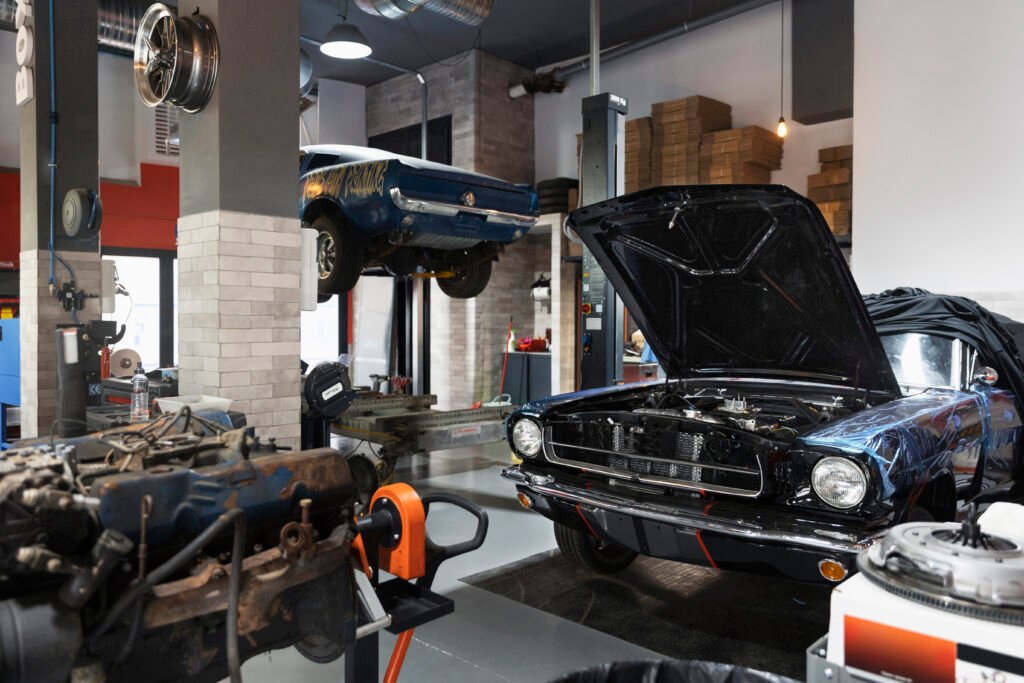
Once the dust settles after an accident, the financial side of auto body repairs becomes the next hurdle. Between insurance approvals, repair estimates, and warranty details, it can feel like a lot to juggle. Understanding how each step works will make the process smoother and help you avoid surprises.
Understanding Estimates
When you bring your car in for auto body repair, the shop will provide an estimate outlining the cost of parts, labor, and paint. Don’t be afraid to get more than one estimate—prices and approaches can vary. Just remember, the lowest price isn’t always the best option if it means sacrificing quality or safety.
Navigating Insurance Coverage
Insurance companies often recommend certain auto body repair shops, but you aren’t limited to their list. You have the right to choose where your car gets fixed, whether it’s an “auto body shop near me” that you trust or one suggested by your insurer. Be sure to ask your shop to work directly with your insurance provider to simplify the process and reduce stress.
Importance of Warranties
A good auto body repair doesn’t just look great when you pick up your car—it should last. That’s where warranties come in. Many shops offer warranties on paint, parts, or the overall repair work. This extra protection ensures you’re covered if something goes wrong later, giving you confidence that your car’s repairs were done right.
By understanding estimates, knowing your rights with insurance, and choosing a shop that stands behind its work, you’ll be better prepared to navigate the auto body repair process without added frustration.
Preventing Future Hassles
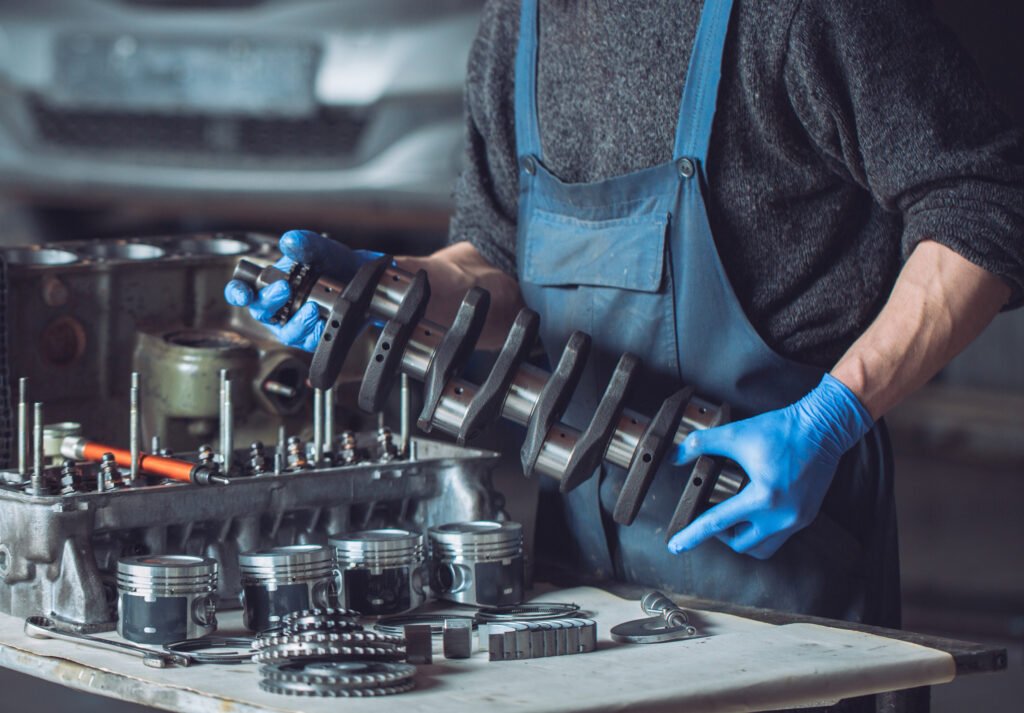
Nobody plans for an accident, but being prepared can make the recovery process a whole lot easier if it ever happens again. Building good habits now can save you time, money, and stress later.
Building a Relationship with a Local Shop
It helps to know where you’ll go before you actually need auto body repairs. Finding a trusted auto body shop near me in advance means you’ll already have a reliable contact if an accident occurs. Many shops also keep detailed records of your car’s history, which can speed up the process if you return for future work.
Routine Maintenance and Diagnostics
Accidents aren’t the only reason cars end up in the shop. Staying on top of regular maintenance helps prevent smaller issues from turning into big ones. An occasional auto engine diagnostic can catch hidden problems early, while keeping up with transmission checks and other services ensures your car is always in top condition.
Taking these proactive steps gives you peace of mind, knowing you’re ready for the unexpected and keeping your vehicle safer on the road.
Final Word
Dealing with the aftermath of an accident can feel overwhelming, but having a clear plan makes all the difference. From taking safety steps at the scene to carefully choosing the right shop, every decision plays a role in how smoothly your recovery goes. Following the auto body repair checklist ensures that hidden damage is caught, mechanical issues like transmission or engine problems are addressed, and your car comes back both safe and reliable.
Remember, the best results don’t come from rushing or picking the cheapest option—they come from being informed and working with a shop you can trust. Whether you’re searching for an “auto body shop near me” or scheduling routine diagnostics to stay ahead of problems, being proactive is the key to protecting your investment.
Take the time now to save this checklist, share it with someone who might need it, or reach out to a local shop to learn more about your options. Your future self will thank you.